
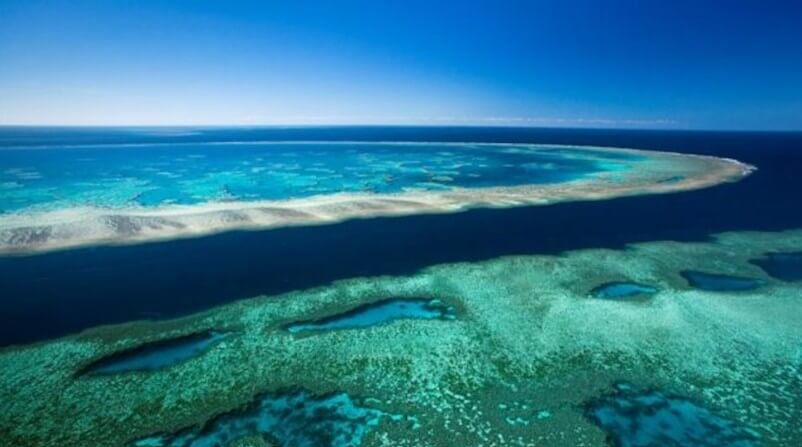
The great barrier reef is far more than just the world’s largest coral system; it is a vibrant, living testament to nature’s complexity, now facing a critical fight for its survival.
This guide explores its incredible biodiversity, the urgent threats it confronts, and the global effort to save it.
Key Takeaways
- Location: Coral Sea, off the coast of Queensland, Australia
- Size: Over 344,400 sq km (133,000 sq mi), equivalent to the size of Italy.
- Biodiversity: Home to over 1,500 fish species, 400+ types of hard coral, and six of the world’s seven marine turtle species.
- Status: A designated UNESCO World Heritage Site since 1981.
- What is the Great Barrier Reef?
- The Unrivaled Biodiversity: Life on the Reef
- The Four Major Threats Endangering the Reef
- Hope for the Reef: The Global Fight for its Future
- The Human Connection: A Cultural and Economic Powerhouse
- Planning Your Visit: A Guide to Experiencing the Reef Responsibly
- Frequently Asked Questions About the Great Barrier Reef
- Conclusion
What is the Great Barrier Reef?
A System of Nearly 3,000 Individual Reefs
Contrary to the image of a single, continuous structure, the Great Barrier Reef is a magnificent mosaic. It is composed of almost 3,000 individual reefs and 900 islands, stretching for over 2,300 kilometers.
It was the English navigator Matthew Flinders who officially gave the reef its name during his circumnavigation of Australia in the early 1800s.

This vast network creates an incredibly diverse range of habitats, from shallow, sunlit coral gardens to deep oceanic channels.
Visible From Space: The Planet’s Largest Living Structure
The sheer scale of the reef is so immense that it is the only living structure on Earth visible from space.
This sprawling underwater metropolis was built over thousands of years by trillions of tiny organisms known as coral polyps.
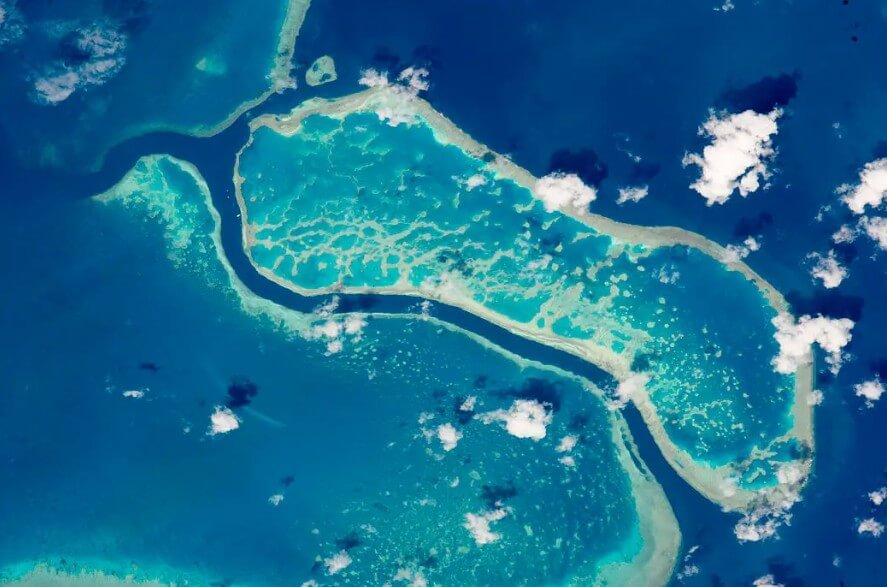
Consequently, it stands as a powerful symbol of biological achievement.
The Unrivaled Biodiversity: Life on the Reef
The Corals: Architects of the Ecosystem
At the heart of the reef are its corals, the foundational species that build the complex three-dimensional structures providing food and shelter for countless other organisms.
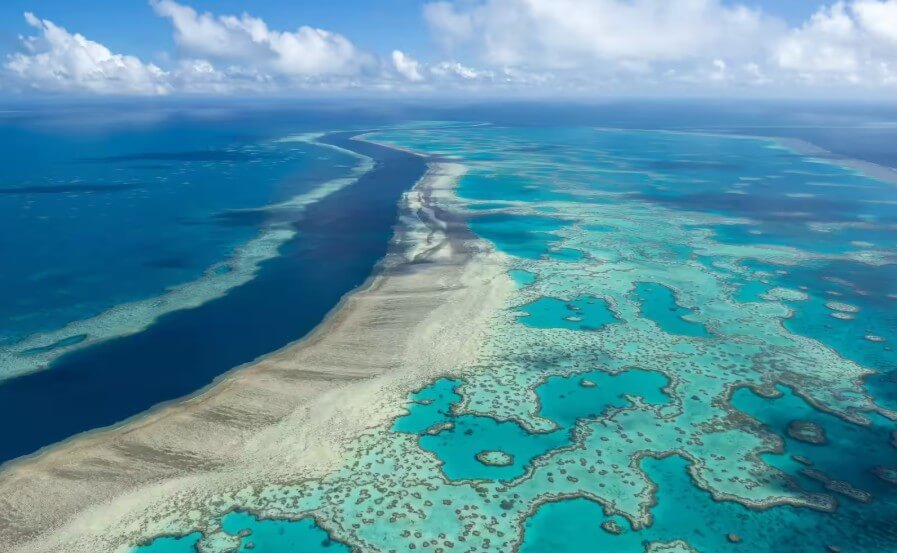
These corals are not rocks, but colonies of tiny animals that thrive in a symbiotic relationship with microscopic algae called zooxanthellae.
A Sanctuary for Marine Life
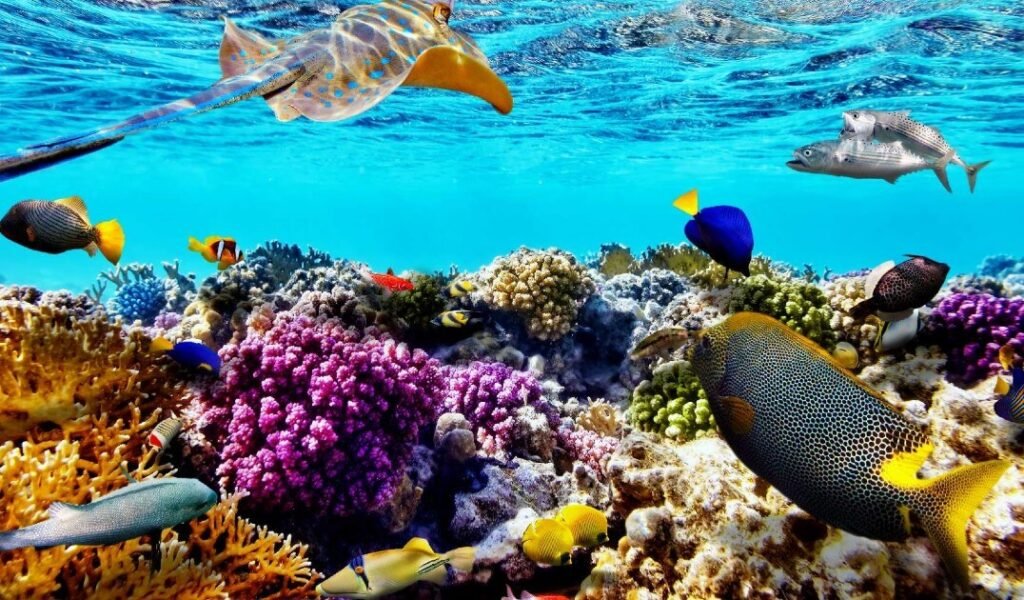
The reef is a global hotspot of marine biodiversity. Its waters are teeming with a dazzling array of life, including:
- Fish: Over 1,500 species, from tiny clownfish to giant groupers.
- Turtles: It provides a critical habitat for six of the world’s seven species of marine turtles.
- Mammals: Whales, dolphins, and the gentle dugong are frequently sighted here.
Furthermore, the surrounding mangroves and seagrass beds act as vital nursery grounds for many of these species, highlighting the interconnectedness of the entire ecosystem.
The Soundscape of a Healthy Reef
A truly unique aspect of the reef is its sound. A healthy reef is a noisy place, filled with the crackling of snapping shrimp and the calls of fish.
This vibrant “soundscape” is a critical signal that guides larval fish and other young creatures back to the reef to find a home.
Scientists have discovered that silent, degraded reefs fail to attract new life, and are now experimenting with underwater speakers playing the sounds of a healthy reef to help kickstart recovery—a technique known as acoustic enrichment.
The Four Major Threats Endangering the Reef
Despite its beauty, the great barrier reef is under severe pressure. Understanding these threats is the first step toward finding solutions.
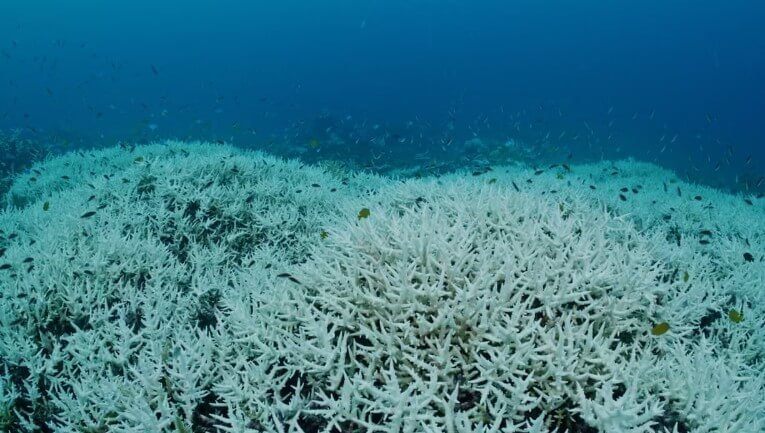
Threat #1: Climate Change and Mass Coral Bleaching
The most significant threat is unequivocally climate change. Rising ocean temperatures cause corals to expel their symbiotic algae, a stress response known as coral bleaching. While corals can survive a bleaching event, prolonged or severe heat stress is lethal, leaving behind a sterile white skeleton.
Threat #2: Declining Water Quality from Land-Based Runoff
Pollution from agricultural and urban runoff harms the reef’s delicate balance. For instance, pesticides can harm marine life, while excess sediment can smother corals, blocking the sunlight they need to survive.
Threat #3: Outbreaks of Crown-of-Thorns Starfish
The crown-of-thorns starfish is a natural coral predator. However, nutrient pollution can lead to population explosions, or outbreaks, where these starfish consume coral faster than it can regenerate, devastating large sections of the reef.
Threat #4: Direct Human Impacts
Finally, direct human activities such as illegal fishing and damage from anchors can cause localized but significant harm to this fragile environment.
Hope for the Reef: The Global Fight for its Future
While the outlook is serious, the fight is far from over. Groundbreaking work is underway to protect and restore the reef.
Scientific Innovation: Coral IVF and Reef Restoration
Scientists are pioneering innovative techniques like “coral IVF,” where they collect coral spawn to grow new, more resilient corals in labs before re-planting them on damaged reefs. Learn more about these efforts from the Great Barrier Reef Marine Park Authority (GBRMPA).
Policy and Protection
Australia is investing heavily in improving water quality and managing threats like the crown-of-thorns starfish. These actions, combined with global efforts to combat climate change, are essential for its long-term survival.
How You Can Help Protect the Reef from Anywhere
You don’t have to be a marine biologist to make a difference. Here are actionable steps you can take:
- Reduce Your Carbon Footprint: The primary threat to the reef is climate change. Simple actions like reducing energy consumption and choosing sustainable transportation help.
- Make Sustainable Seafood Choices: Use guides like the Monterey Bay Aquarium Seafood Watch to choose seafood that is not overfished or farmed in ways that harm the ocean.
- Eliminate Single-Use Plastics: Reduce plastic waste that can end up in our oceans and harm marine life.
- Support Reef-Friendly Organizations: Consider donating to reputable organizations working on the front lines of reef conservation.
The Human Connection: A Cultural and Economic Powerhouse
$6.4 Billion in Economic Value and 64,000 Jobs
The reef is a cornerstone of the Australian economy, contributing an estimated $6.4 billion annually and supporting over 64,000 jobs, primarily in tourism.
Deep Significance as Indigenous “Sea Country”
For over 60,000 years, the Great Barrier Reef has been an integral part of the culture and spirituality of Aboriginal and Torres Strait Islander Traditional Owners.
To them, these waters are not just a resource but a holistic concept known as “Sea Country”—an inseparable connection between the people, the sea, and all the life within it.
Their traditional knowledge is now being integrated into modern reef management and conservation strategies.
Planning Your Visit: A Guide to Experiencing the Reef Responsibly
A visit to the Great Barrier Reef can be a life-changing experience. By planning thoughtfully, you can ensure your trip is both unforgettable and sustainable.
Best Time to Visit
The dry season, from May to October, is generally considered the best time to visit. During these months, you can expect clear, sunny days, lower humidity, and excellent underwater visibility.
Main Gateways to the Reef
Most visitors access the reef from coastal cities in Queensland. The most popular hubs include:
- Cairns and Port Douglas: Ideal for accessing the northern reefs and a wide variety of tour options.
- The Whitsundays: Famous for their stunning islands and iconic locations like Heart Reef.
Choosing an Eco-Certified Tour
The single most important decision you can make is to choose a responsible tour operator. Look for operators with Advanced Ecotourism Certification, as they are committed to minimizing their environmental impact and contributing to conservation.
These tours often provide deep educational value, enhancing your connection to this amazing ecosystem.
Frequently Asked Questions About the Great Barrier Reef
No, the Great Barrier Reef is not dead, but it is under severe threat. While some areas have suffered significant damage from coral bleaching, other parts remain vibrant and resilient. The entire system is in a critical state that requires urgent action.
Absolutely. Responsible tourism is a vital part of the reef’s economy and can help fund conservation efforts. Tour operators now follow strict guidelines to ensure visits are sustainable and educational.
A coral polyp is a tiny, soft-bodied invertebrate animal related to jellyfish and sea anemones. The massive structures of the reef are built from the limestone skeletons secreted by millions of these polyps living together in a colony.
The present-day reef began growing about 10,000 years ago on an older platform as sea levels rose after the last Ice Age. Over millennia, successive generations of coral polyps built upon the skeletons of their ancestors to create the massive structure we see today. For more geological information, check out sources like National Geographic.
Conclusion
In summary, the story of the great barrier reef is one of breathtaking beauty and alarming vulnerability. It is a complex ecosystem facing unprecedented threats from climate change and pollution, yet it is also a powerful symbol of resilience.
Protecting its future requires a coordinated global effort from scientists, policymakers, and individuals alike. Please share this article to raise awareness, and consider supporting the organizations dedicated to preserving this irreplaceable natural wonder for generations to come.

Love to read, explore and write about Science, Mathematics and Technology.
The name “Newton” coming from how I love Science.